Hyderabad, 1983–84:
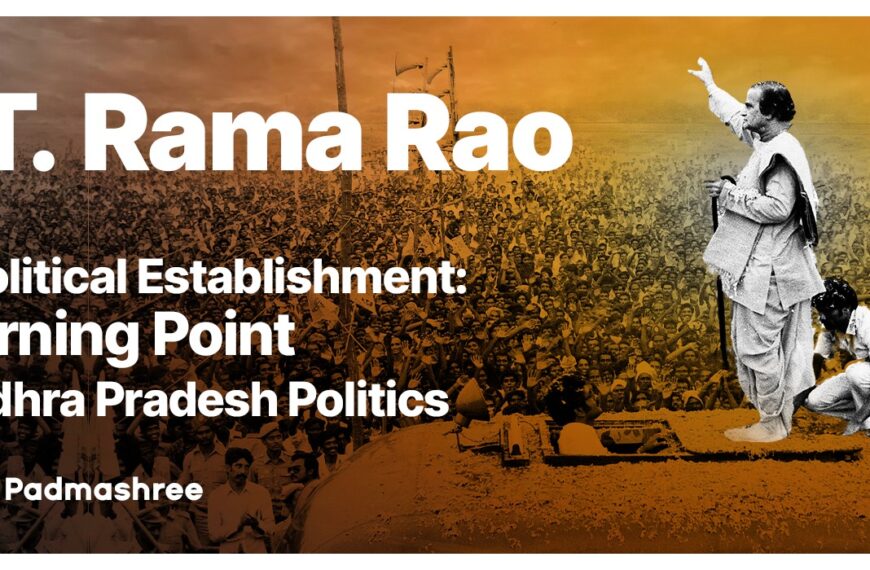
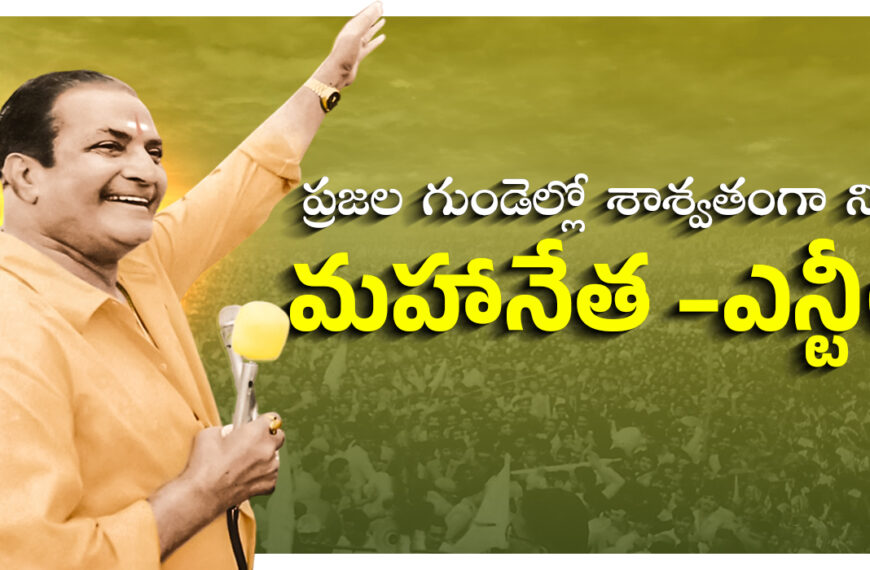
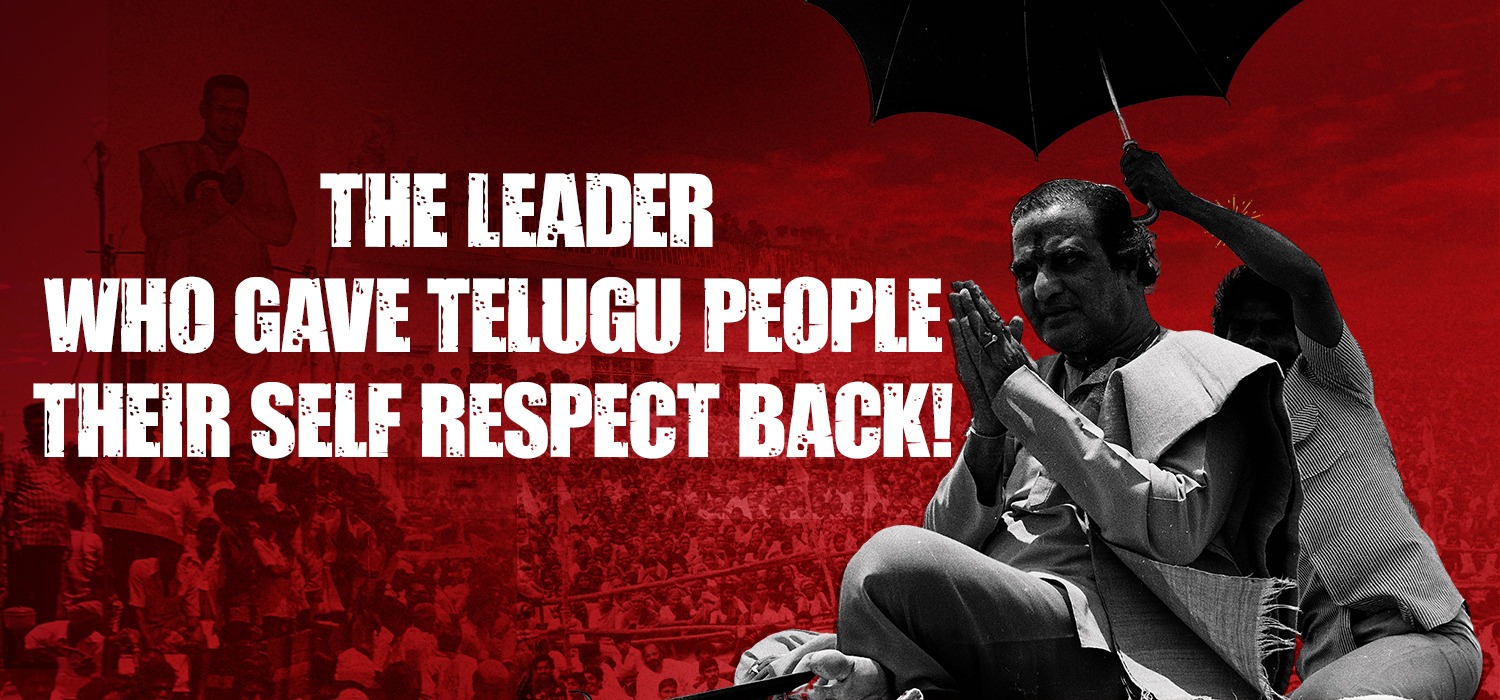
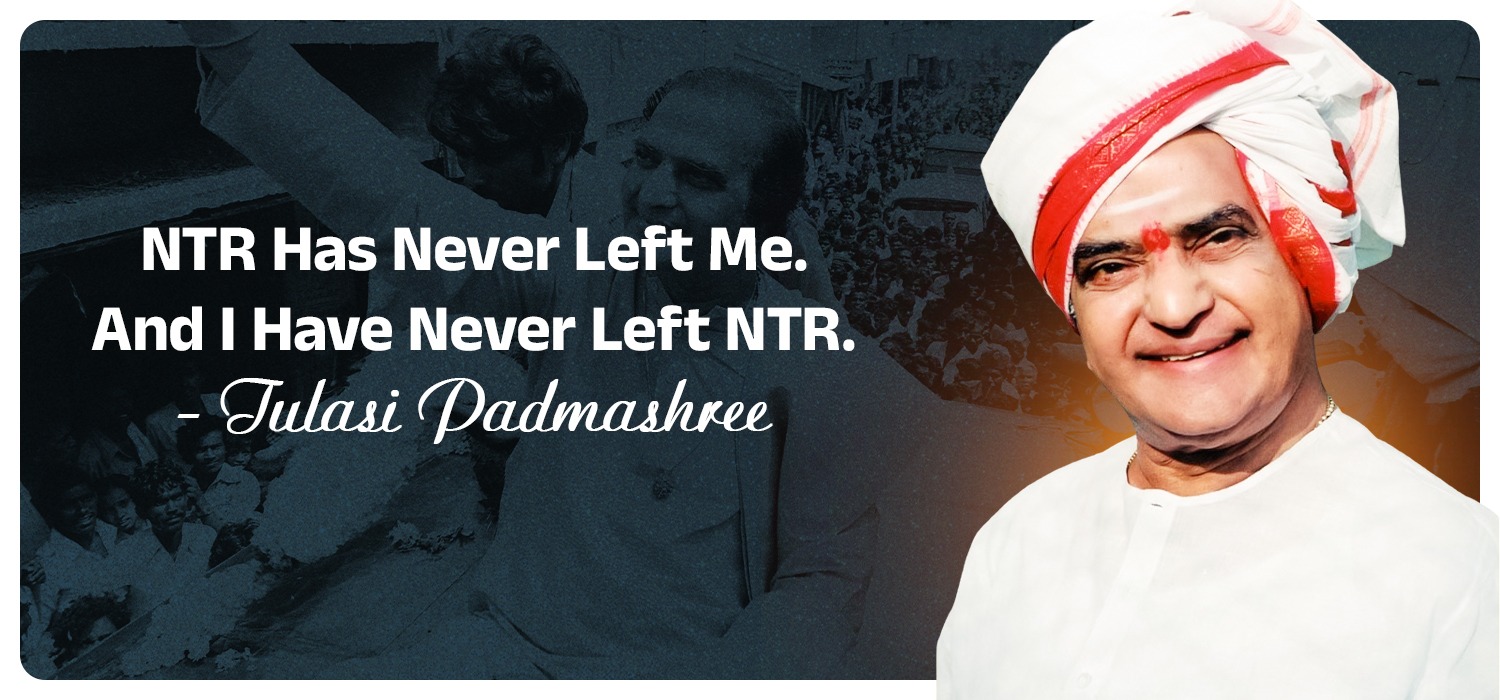
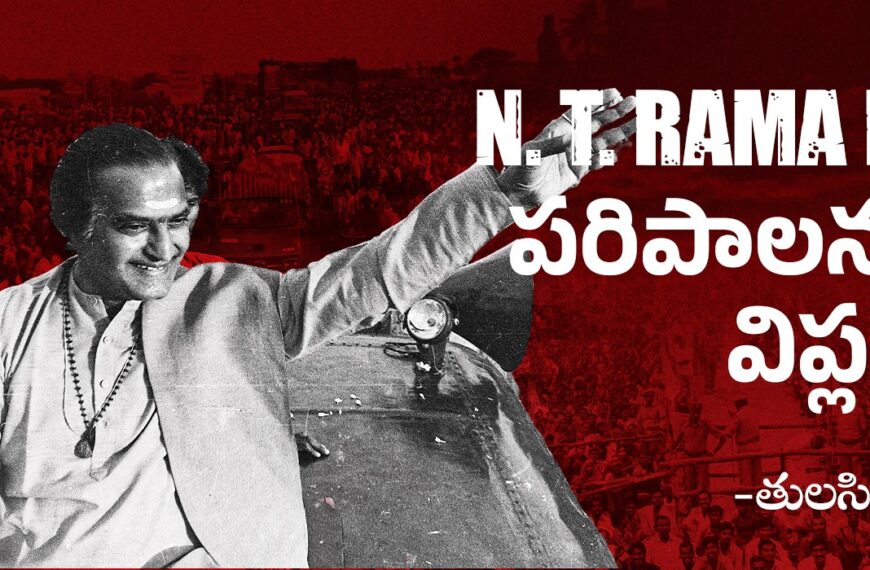
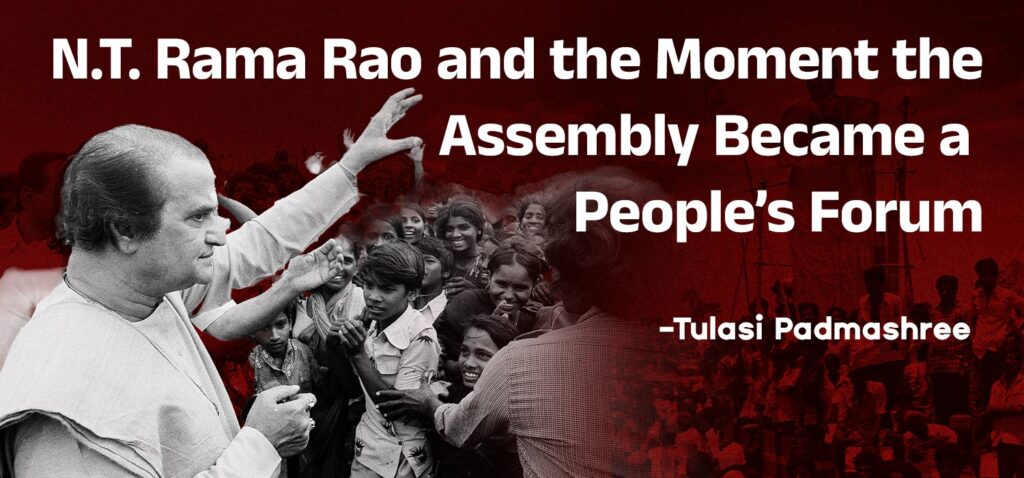
In the early years of his tenure, Nandamuri Taraka Rama Rao did more than preside over a government; he altered the public’s relationship with the Legislature. The proceedings of the Andhra Pradesh Assembly, once followed largely within political circles, began to command the attention of ordinary citizens across towns and villages.
For many, the Assembly was no longer a distant institution in the capital. It became a forum whose debates were read closely in newspapers, discussed in tea stalls, and revisited in drawing-room conversations. What was said inside the House began to travel swiftly beyond its walls.
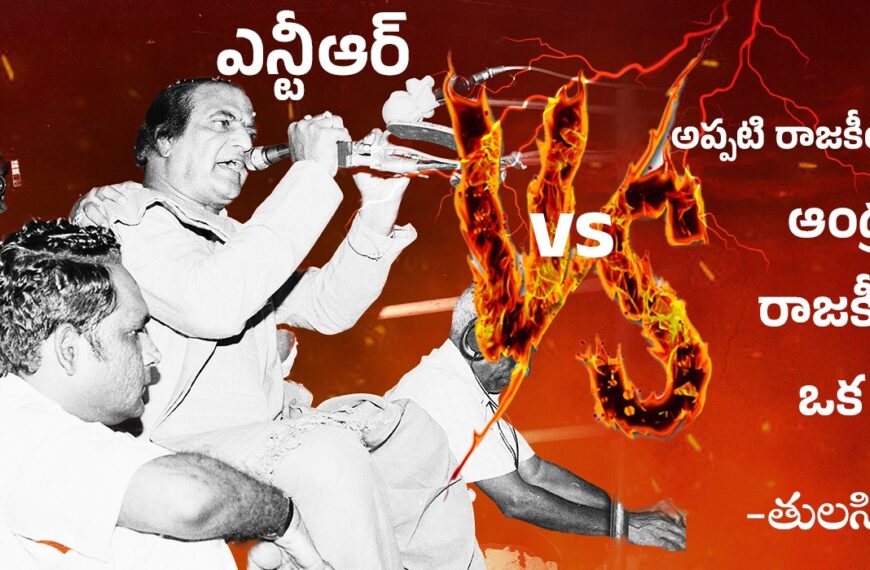
A significant part of this engagement stemmed from Mr. Rama Rao’s distinctive oratorical style. His speeches were marked by a measured cadence, carefully structured arguments, and a vocabulary steeped in classical Telugu idiom. He frequently invoked themes of self-respect, public duty, and moral accountability, presenting governance as both a constitutional responsibility and a cultural commitment.
Observers noted that his addresses combined theatrical presence with administrative clarity. The pauses were deliberate; the phrasing, deliberate still. His interventions in the House often carried the tone of a larger civic appeal, inviting not only legislators but citizens to reflect on the direction of public life.
The political developments of August 1984 brought renewed focus to constitutional procedure and legislative legitimacy. As events unfolded, questions of majority support and due process entered public discourse with unusual intensity. The Assembly, in that period, became the centre of statewide attention.
Citizens followed the sequence of events closely from consultations among legislators to discussions around proving majority on the floor of the House. The emphasis on legislative procedure underscored the centrality of the Assembly in determining executive authority. When Mr. Rama Rao resumed office in September 1984, the transition was widely viewed as a reaffirmation of institutional processes.
A Shared Democratic Moment
What distinguished this phase was not merely the political shift but the level of civic interest it generated. The Assembly’s debates were no longer confined to formal transcripts; they entered popular memory. Phrases from speeches were recalled and repeated. Legislative exchanges acquired the texture of lived conversation.
In retrospect, the 1983–84 period marked a moment when democratic engagement appeared immediate and participatory. The Assembly emerged not simply as a constitutional body but as a living arena of ideas, identity, and accountability.
For many in Andhra Pradesh, those sessions symbolised a deeper connection between leadership and citizenry a reminder that legislative chambers, at their best, echo far beyond their walls.