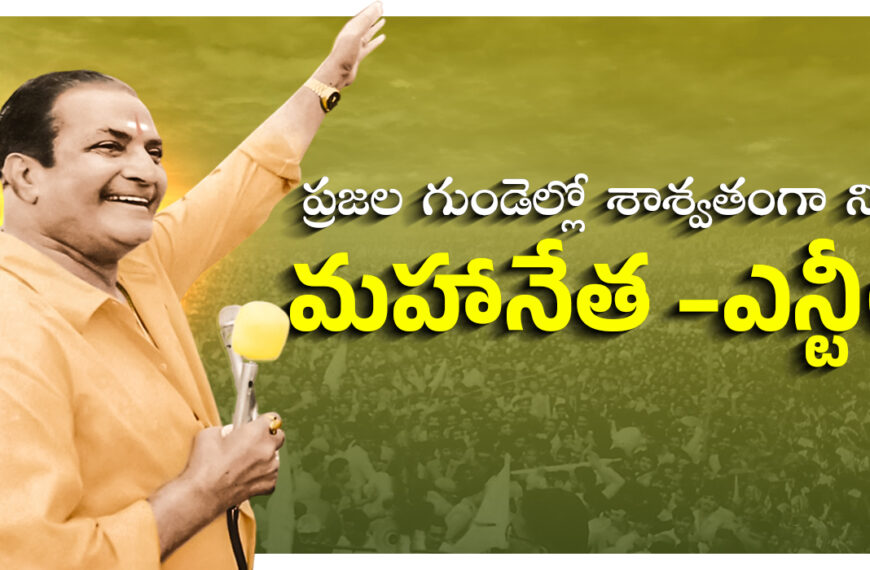
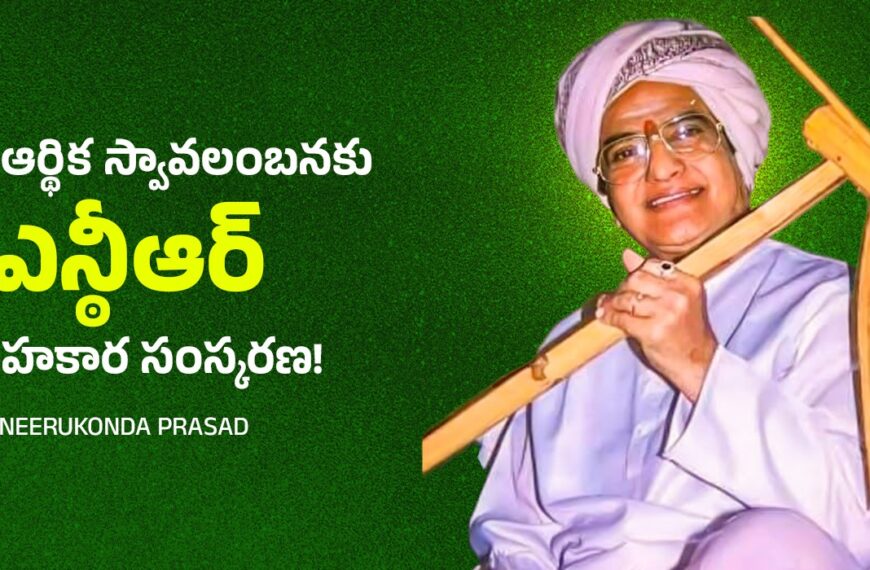
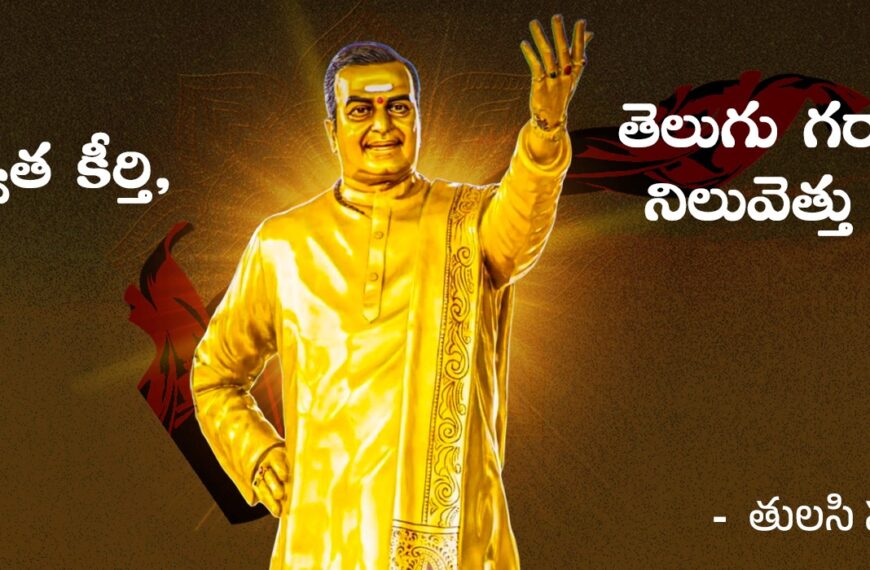
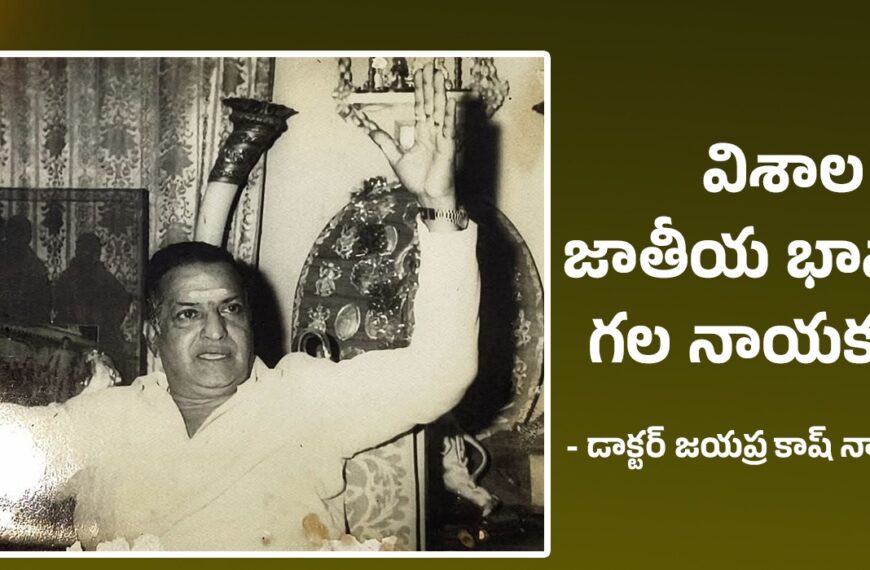
“చరిత్రను సృష్టించే వాళ్ళు కూడా ఉంటారు.”
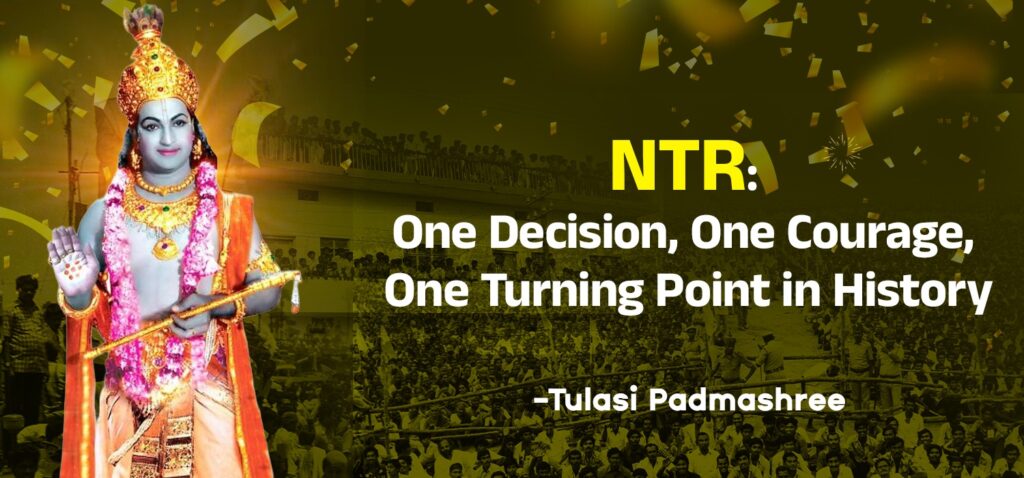
History is not always shaped by long, predictable processes. Sometimes, a single decision taken by a single individual is enough to alter the direction of an entire society.
In 1982, when Nandamuri Taraka Rama Rao was at the peak of his cinematic career, he chose to step away from comfort, certainty, and unmatched popularity, and walk into the uncertain, unforgiving world of politics. At the time, it was not clear whether this was ambition, idealism, or a response to the call of history itself.
Within political circles, among analysts and leaders of established parties, a near unanimous opinion prevailed: that a film star entering politics and capturing power was, at best, an illusion. Many believed popularity on screen could never translate into authority in governance.
What followed proved how fragile such certainties can be.
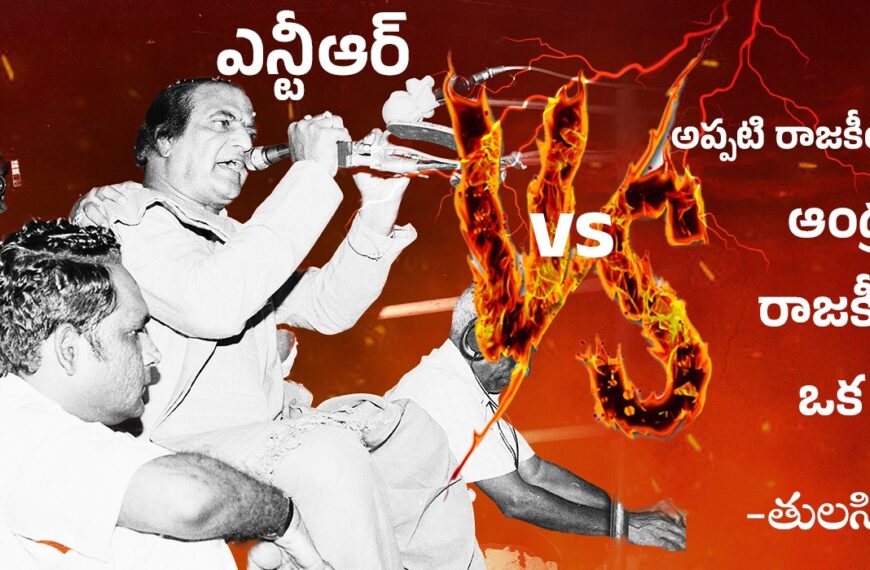
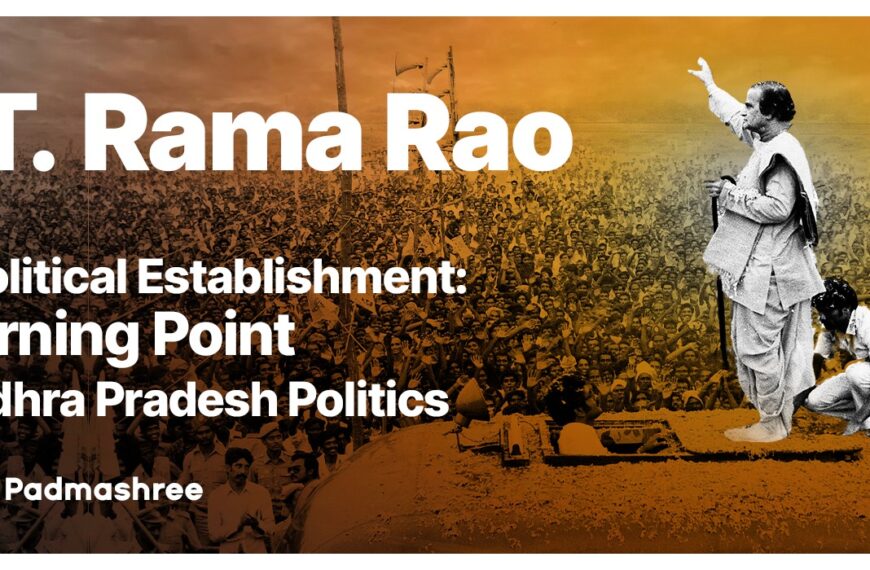
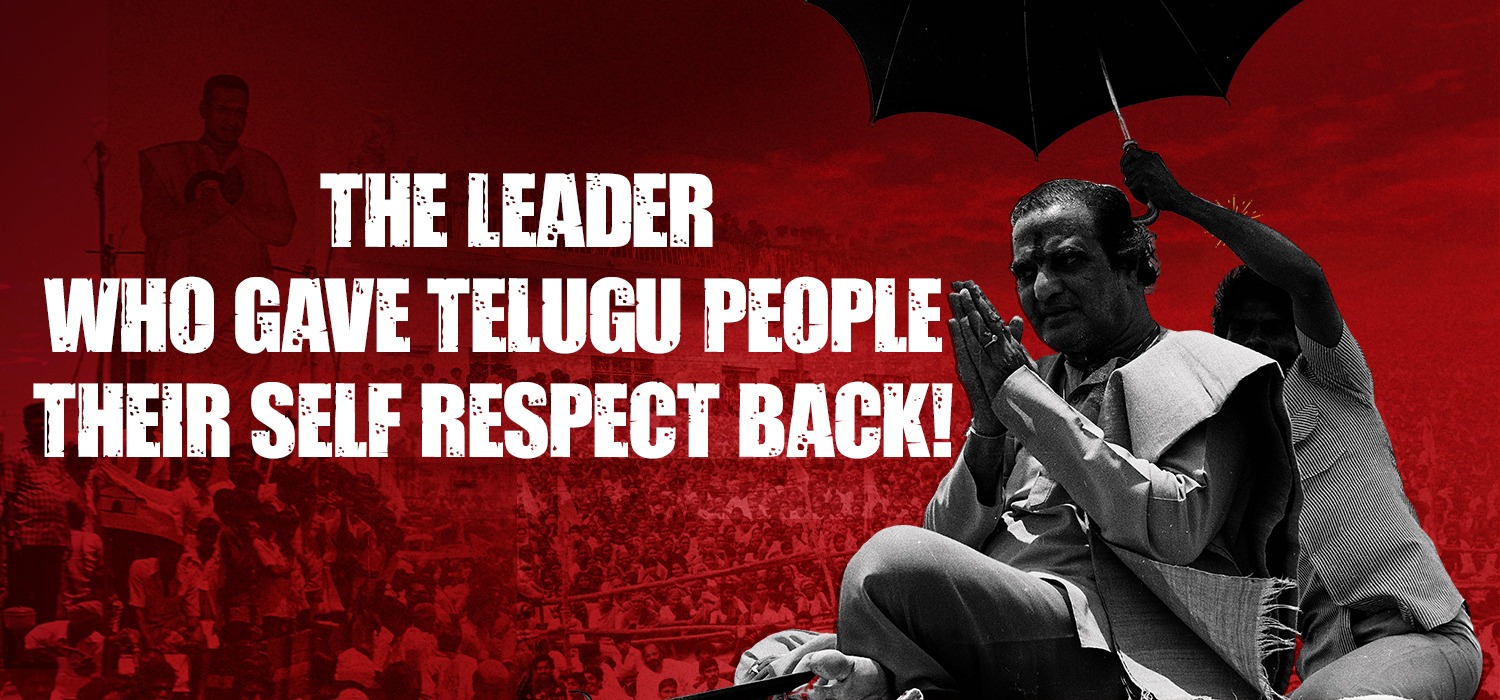
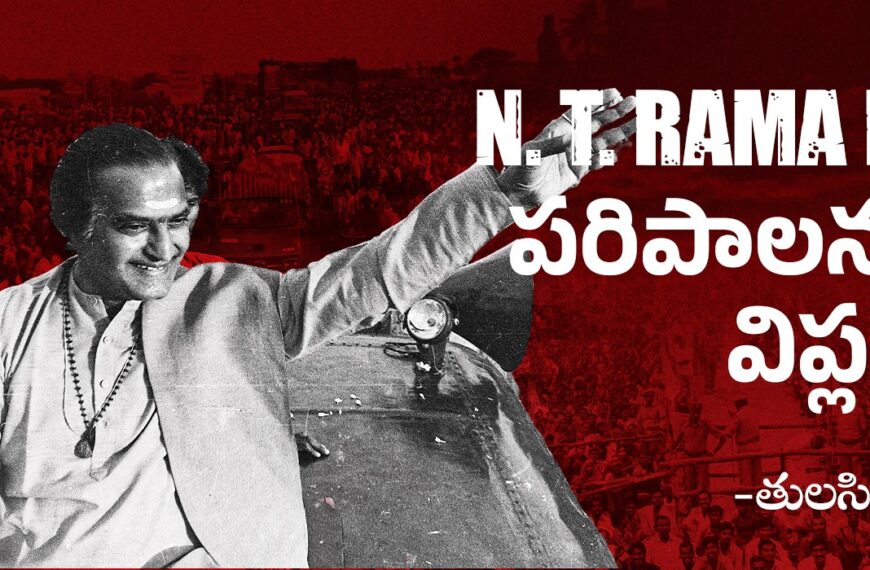
Until then, politics had largely remained a closed arena, distant from the everyday citizen. NTR changed the tone, the language, and the reach of public life. Political meetings were no longer mere platforms for speeches; they became spaces where long suppressed public dissatisfaction found a voice.
A new party, a new political vocabulary, and a new way of connecting with people emerged almost overnight. The change of government in such a short span of time was not merely an electoral event. It was the visible expression of a deeper public decision, a moment when people chose to redefine their own political destiny.
NTR’s tenure in power, like that of any transformative leader, was not without debate or criticism. Some decisions were widely appreciated; others were intensely questioned. Yet, one contribution remains beyond dispute: he brought politics closer to the people. He made governance a subject of public conversation and reinforced the idea that authority in a
democracy is not beyond scrutiny.
After his arrival, the language of politics itself began to change. The priorities of governments that followed were inevitably shaped by the expectations he had helped awaken.
NTR’s place in history is not secured merely by electoral victories. It rests on something more fundamental: the courage of that first step.
History does not always announce itself with noise. Sometimes, it is rewritten quietly, the moment a bold decision is taken.
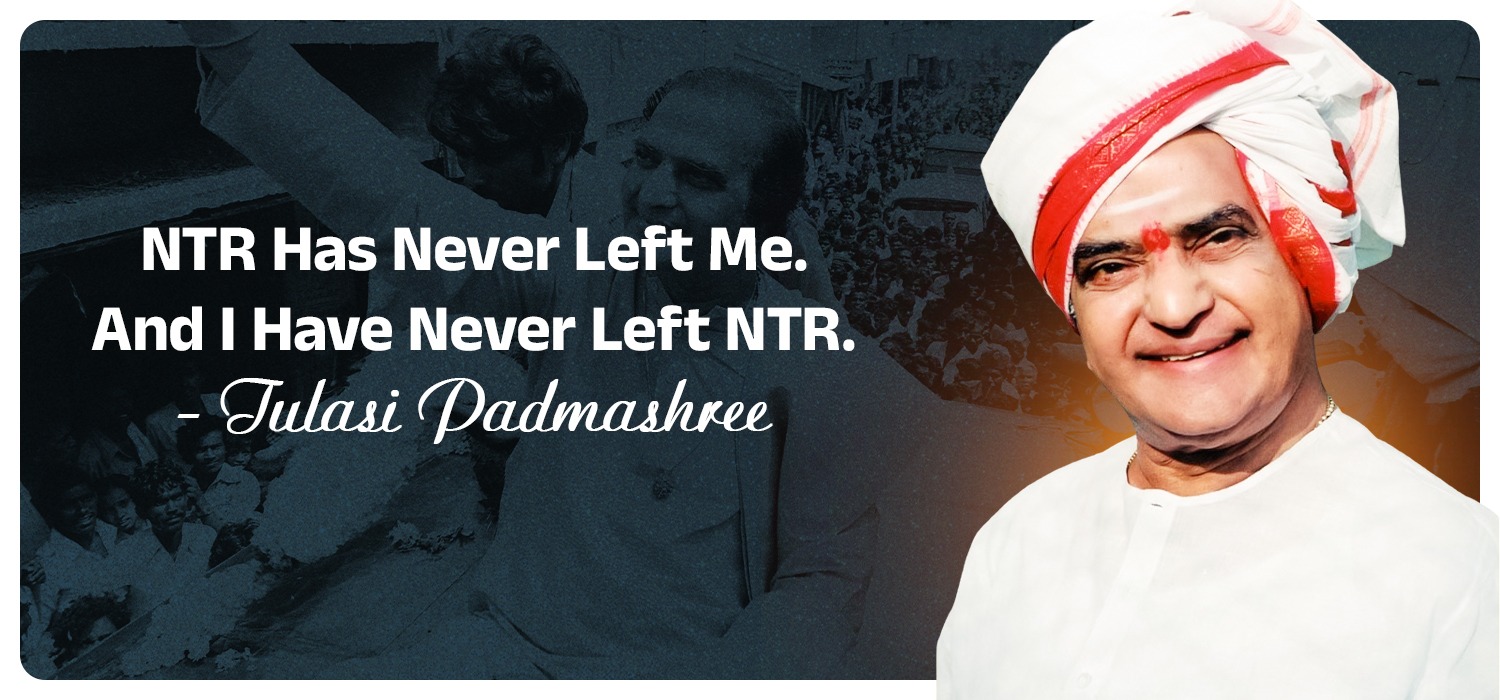
Tulasi Padmashree
Maarpu Welfare Society
About the Author
Tulasi Padmashree is the Founder of Maarpu Welfare Society and has been actively working
in the social sector for several years. She works on initiatives related to community
development, social awareness, and public welfare. Through her writing, she seeks to
document social realities and lived experiences, combining social commitment with
thoughtful storytelling and a strong sense of responsibility towards society.