For a long time, politics in Andhra Pradesh was defined by the dominance of a single political force and a largely predictable style of governance. Governments changed occasionally, but the broader political system remained mostly intact. For many citizens, politics appeared distant something controlled by parties and power structures rather than by people themselves.
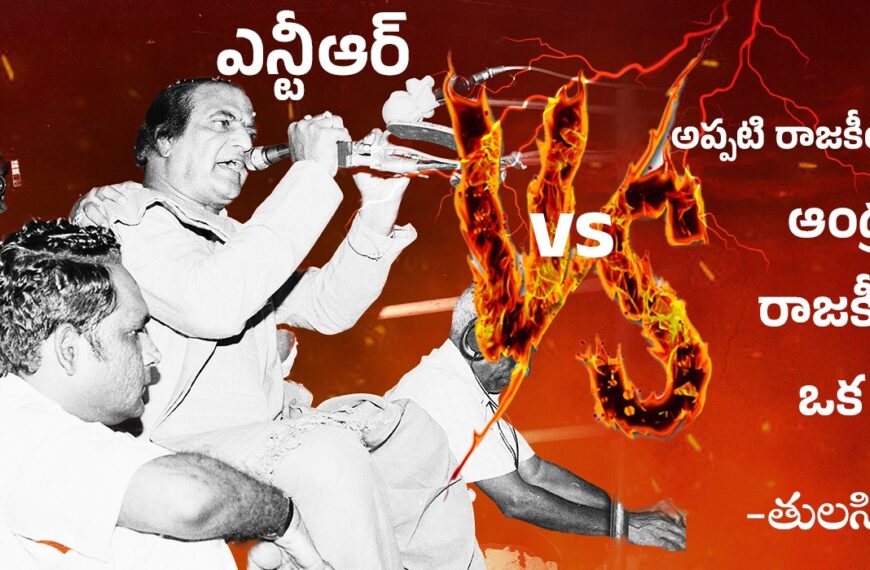
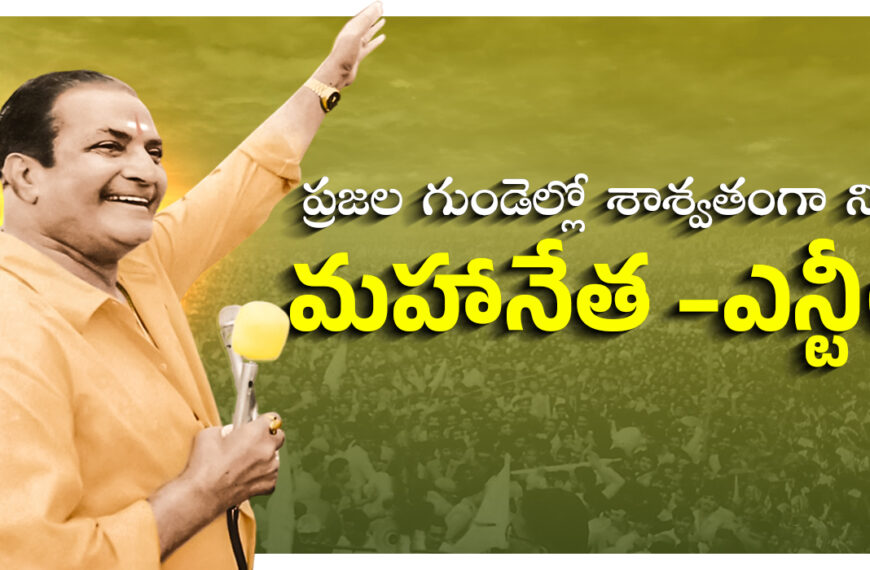
It was in this context that Nandamuri Taraka Rama Rao entered politics. His arrival was not merely another political entry; it was widely seen as a challenge to the existing political order.
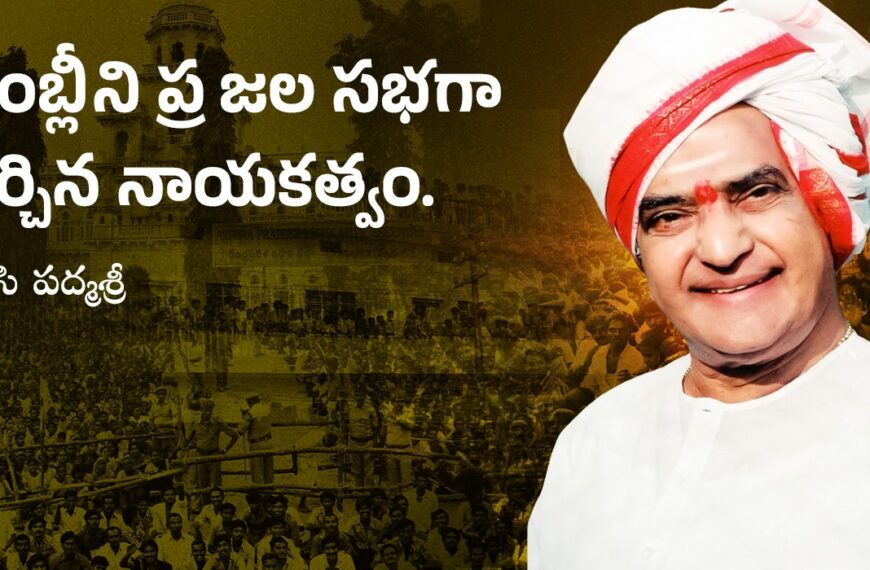
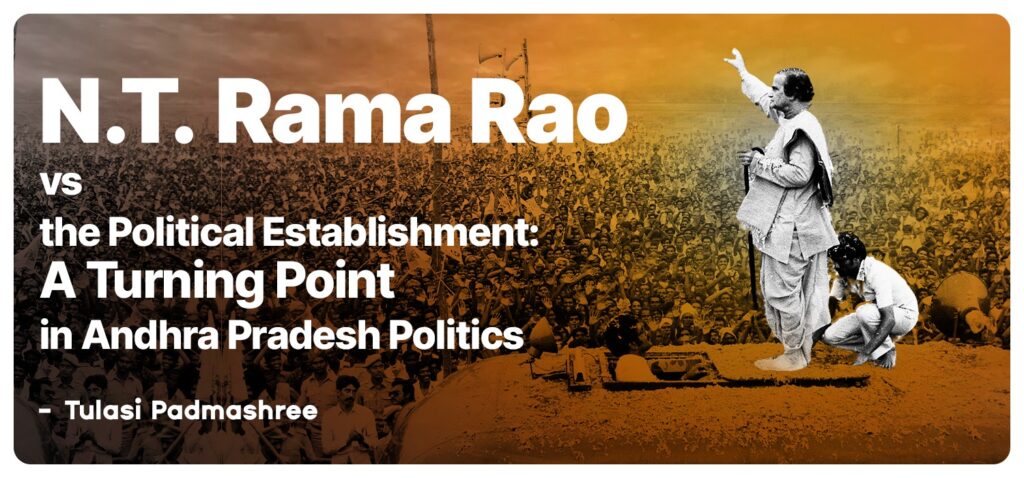
When he founded his party in 1982, many observers questioned whether such an experiment could succeed. The political landscape at the time was firmly shaped by a powerful, well established party. Yet N.T. Rama Rao chose a different path he sought direct engagement with the people. Travelling extensively across villages and towns, he listened to citizens and brought their concerns into the political conversation.
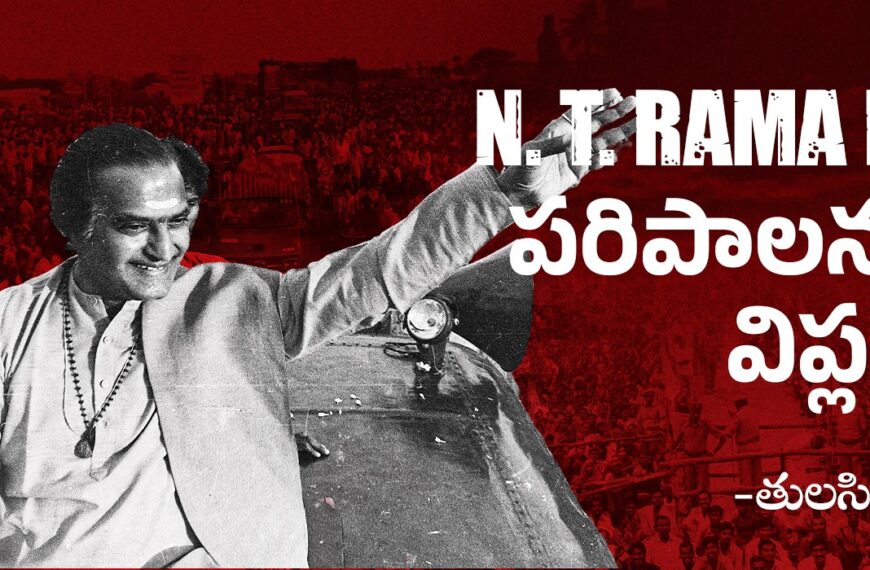
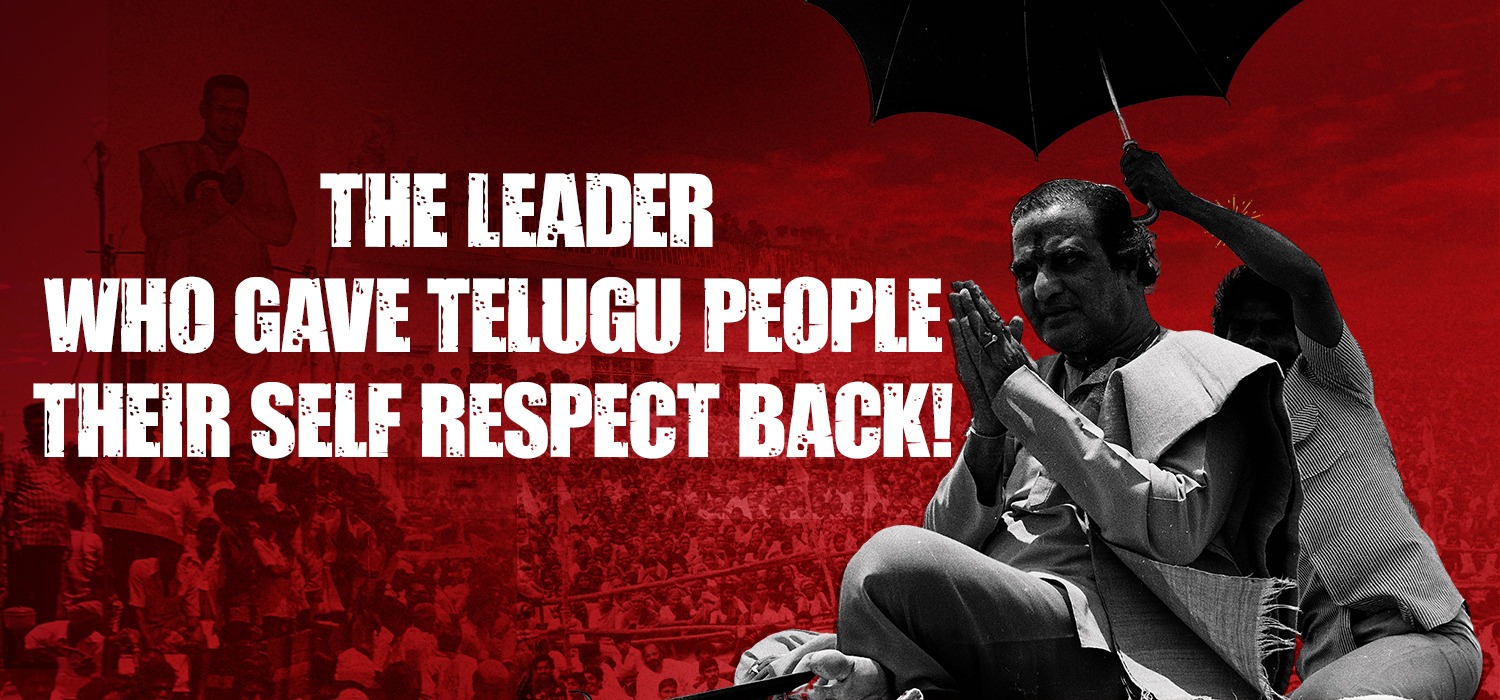
One of the most striking elements of his campaign was the use of the “Chaitanya Ratham.” The campaign vehicle symbolised a new style of political outreach. Rather than waiting for people to come to political leaders, he took politics to the people themselves. This approach helped reshape campaign culture in the state and strengthened the idea that leadership must remain connected to public sentiment.
In the political system of that era, leadership often appeared secondary to party structures. N.T. Rama Rao, however, demonstrated the power of personal leadership and public communication. His campaign gradually transformed from a party movement into a broader conversation about dignity, identity and representation.
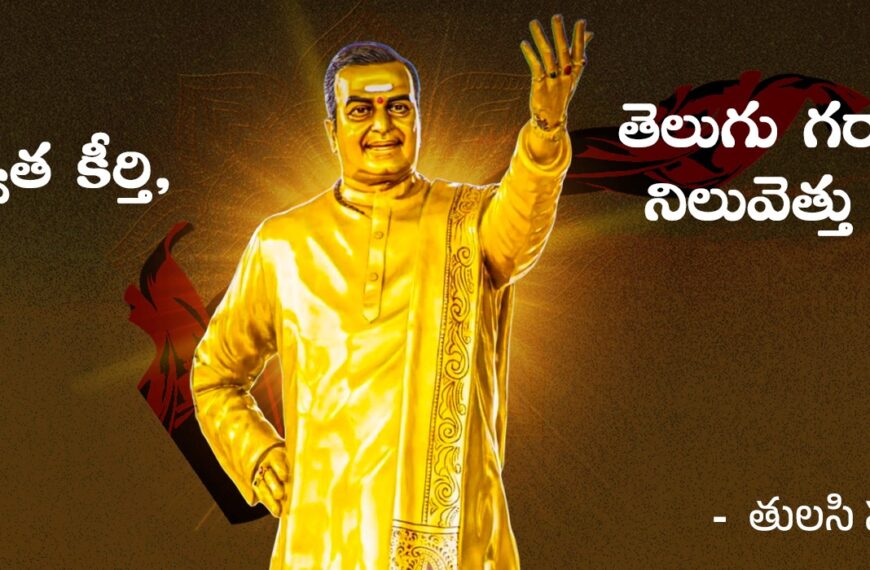
The idea of “Telugu people self-respect” emerged as a powerful theme during this period. His message suggested that politics was not only about electoral competition but also about the cultural and social confidence of a people. That sentiment resonated widely across the state.
The outcome of the 1983 elections therefore represented more than a routine electoral victory. It signalled a dramatic shift in the political landscape of Andhra Pradesh. The rapid rise of a newly formed party to power became one of the most remarkable moments in the state’s political history.
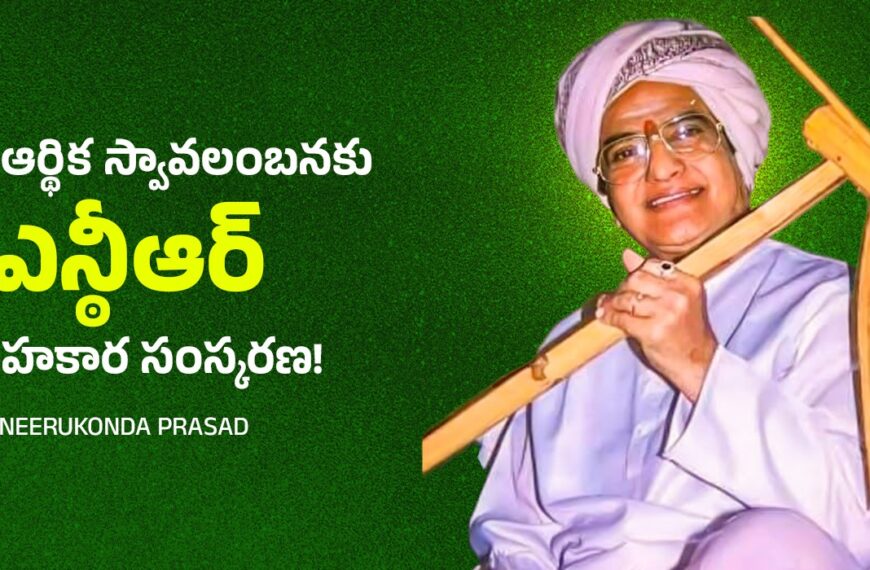
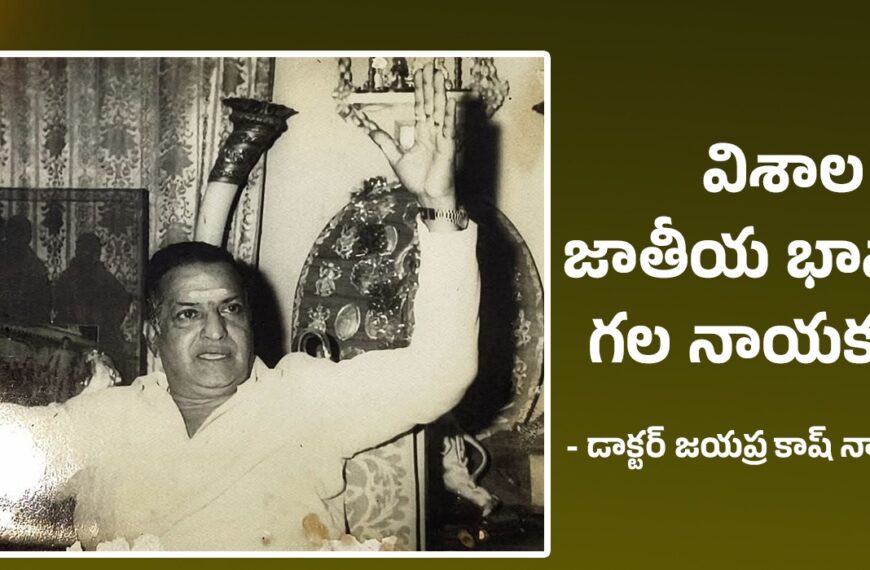
N.T. Rama Rao’s leadership offered an alternative model of politics one that emphasised direct connection with citizens, decisive leadership and a strong focus on welfare and public confidence. In many ways, it contributed to shaping a new political culture in the state.
Even today, a question occasionally surfaces in public discussions: can a political transformation of that magnitude happen again?
History rarely repeats itself in exactly the same way. Yet one point remains clear. When N.T. Rama Rao entered politics, it was not simply the success of a leader or a party. It marked a political moment that challenged the prevailing establishment and reshaped the trajectory of Andhra Pradesh politics.
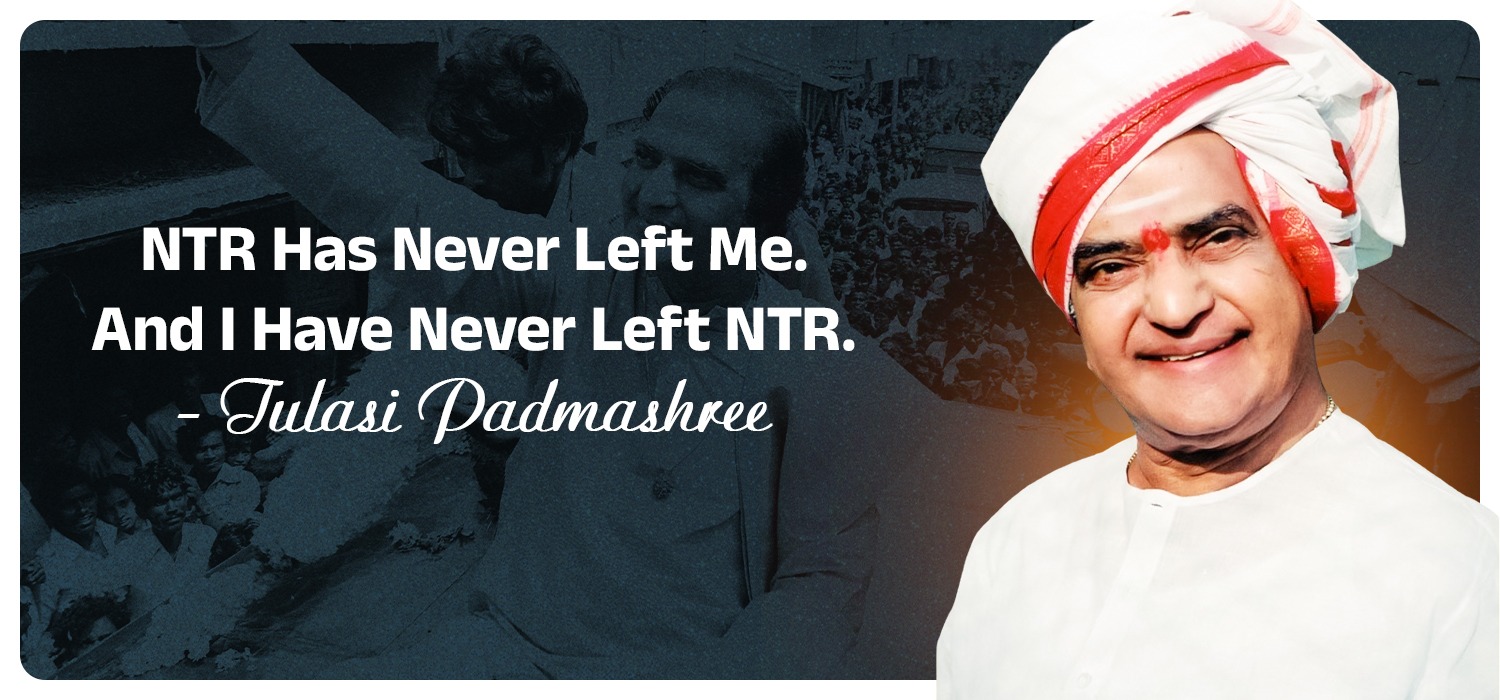
Tulasi Padmasree
Maarpu Welfare Society.